

Moving With Your Child After a California Custody Order
Key Takeaways: Yes, a parent with primary or sole physical custody can usually move away with the child in California, but Family Code § 7501 lets courts stop a move that would harm the child’s rights or welfare. Under the Burgess and LaMusga decisions, a custodial parent does not have to prove a move is necessary, but judges can still change custody if the move would hurt the child. When there is a final sole physical custody order, the objecting parent usually has to show the move would harm the child. With joint physical custody or no custody order, the court usually decides based on the child’s best interest, and you may need court approval first. If a custody order includes a notice requirement under Family Code § 3024, give notice at least 45 days before the move where you can. If the other parent objects, the dispute usually goes to mediation and then a court hearing. Good-faith reasons, careful records, and a realistic plan to keep the child close to both parents may strengthen your case.
Yes, a parent with primary or sole physical custody can usually move away with the child in California, but that right has limits. California Family Code § 7501(a) gives a parent entitled to custody the right to change a child’s residence. The same statute lets courts block a move that would harm the child’s rights or welfare. Whether your move goes forward may depend on your custody order, how you give notice, and whether the other parent objects.
Every relocation case turns on its own facts. To talk about your situation, reach out to Smith Family Law, call (619) 431-3131, or schedule your consultation today.
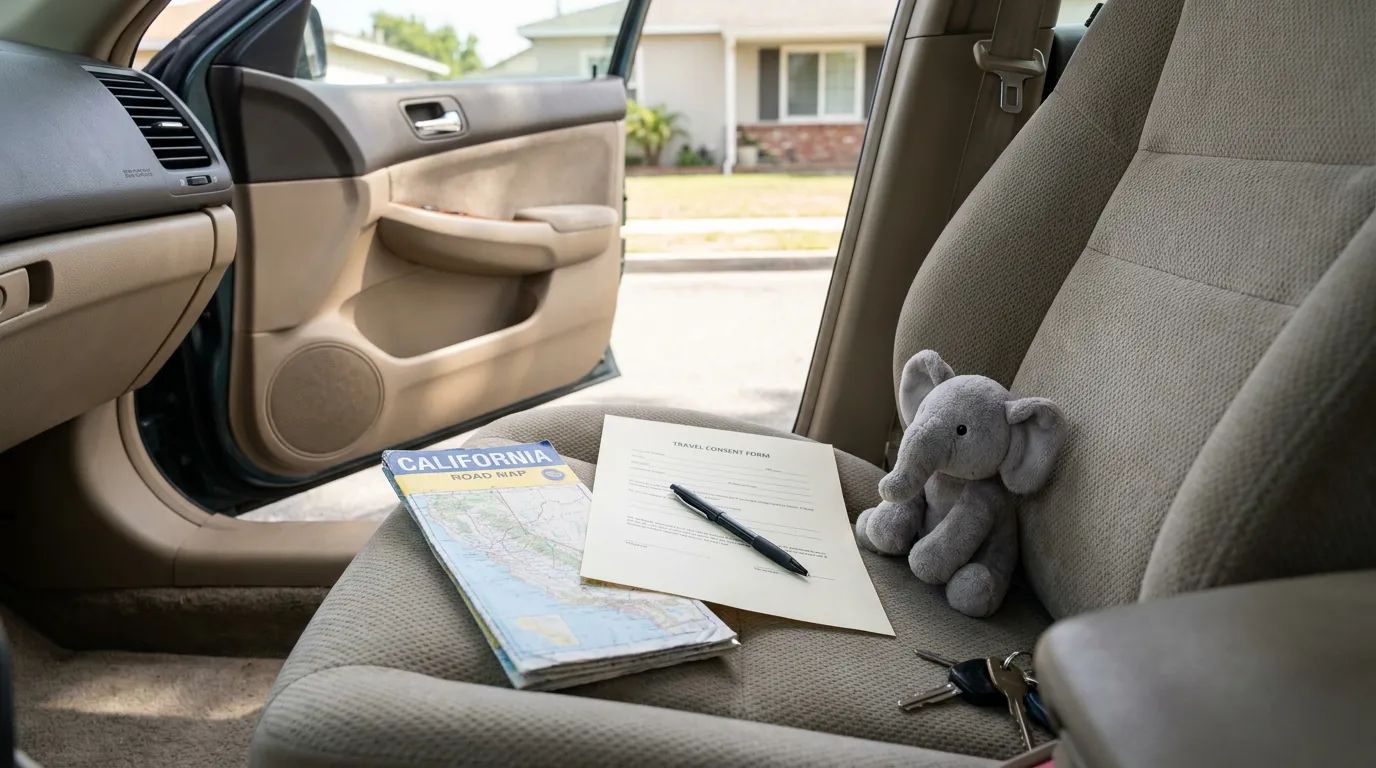
What the Relocation Statute Says About a Custodial Parent’s Rights
The core rule comes from Family Code § 7501. Under subdivision (a), a parent entitled to custody has a right to change the child’s residence, subject to the court’s power to stop a move that would harm the child’s rights or welfare. You can read the full text of California Family Code 7501 before planning your next step.
Lawyers and courts call this the custodial parent’s "presumptive right to relocate." It is a limited right, not an absolute one. A parent with sole physical custody can generally choose where the family lives, but a judge can step in if the move would hurt the child.
The Burgess Decision and Why It Still Matters
California move away law relies heavily on In re Marriage of Burgess (1996) 13 Cal.4th 25. In Burgess, the California Supreme Court held that a custodial parent who wants to move does not have to prove the move is "necessary." The Legislature later added Family Code § 7501(b), which states that it intended to make Burgess the law of California. Statutes can change, so check the current text of subdivision (b) before relying on it.
How LaMusga Shaped Contested Moves
The later case In re Marriage of LaMusga (2004) 32 Cal.4th 1072 sets out the factors courts may weigh when a noncustodial parent opposes a move. These include the child’s interest in stability, the distance of the move, the child’s age, the child’s relationship with both parents, the relationship between the parents, the child’s wishes if mature enough, the reasons for the move, and how much custody the parents now share. LaMusga confirmed that the presumptive right to relocate does not end the court’s review, which is why similar families can end up with different results.
Who Has to Prove What in California Move Away Cases
In many California move away cases, the parent opposing the move must make the first showing. If you have sole physical custody under a final court order, the noncustodial parent must first show that the move would harm the child enough to justify a fresh look at custody. Only then does the court decide whether changing custody is in the child’s best interest. You do not have to prove the move is necessary, but a court may still look at whether you are moving in good faith.
That burden can shift based on your custody setup. If no final custody order exists, or if you share joint physical custody, the court usually decides custody fresh based on the child’s best interest, favoring neither parent. In those cases, get the other parent’s written agreement or a court order before you move.
| Custody Situation | General Starting Point | Possible Next Step |
|---|---|---|
| Sole or primary physical custody under a final order | Presumptive right to relocate under Fam. Code § 7501 | Other parent may object and usually must show harm to the child |
| Joint physical custody | Neither parent is favored | Court approval or a new order may be needed |
| No custody order in place | Rights not yet set by the court | Seek a custody order before moving |
Notice Requirements Before a Child Relocation
Notice is one of the most important steps, and skipping it may hurt your case. Under Family Code § 3024, a court making a custody order may require a parent to notify the other parent before changing the child’s residence for more than 30 days, unless the parents already have a written agreement covering the move. You can review California’s custody notice rules in the Family Code’s general provisions.
When a court order requires notice under § 3024, give it at least 45 days before the planned move where you can. This gives the parents time to work out a new custody agreement through mediation. The statute says you must send the notice by mail, return receipt requested, postage prepaid, to the other parent’s last known address, and also send a copy of the notice to that parent’s counsel of record. Check your current order, since it may set its own notice terms.
💡 Pro Tip: Keep copies of your notice, the certified mail receipt, and any replies. A clear record may help show the court you acted in good faith.
How Courts Weigh the Child’s Best Interest
When a parent contests a move, the judge looks at what is best for the child. Courts weigh the custodial parent’s presumptive right against the child’s need for stability and steady contact with both parents. No single factor decides the outcome. Courts may consider:
- The child’s relationship with each parent and how involved each has been
- The reasons for the move, such as a job, family support, or housing
- The distance and how it would affect visits
- The child’s age, needs, and ties to school and community
- Each parent’s history of supporting the child’s bond with the other parent
Good-faith reasons for moving can carry real weight. A court views a move for a new job, cheaper housing, or help from relatives very differently from a move meant to cut off the other parent. Job offer letters, school records, and a proposed long-distance parenting schedule can help show your plan protects the child.
Common Challenges Parents Face
One common mistake is assuming you don’t need a court order. Parents with joint physical custody sometimes move first and ask permission later, which can hurt their credibility and may violate an existing order. Another is giving little thought to how the child will stay close to the other parent. A realistic travel plan and a video-call schedule can show the court you are thinking about your child.
The Role of Mediation in Move-Away Disputes
Parents usually must try mediation before a court hearing when they disagree about custody or visits, including a proposed move. Under Family Code § 3170, the court sends contested custody and visitation issues to mediation. Under Family Code § 3162(a), mediation must follow uniform standards set by the Judicial Council.
Mediation standards must protect the child’s best interest. Family Code § 3162(b)(1) requires them to protect the child’s right to frequent and continuing contact with both parents, in line with Family Code §§ 3011 and 3020. Under § 3162(b)(2), (3), the standards must help families through the change and keep negotiations fair. Different rules may apply where there is a history of domestic violence. If you reach an agreement, you may revisit it later; learn more about how to renegotiate a custody agreement when your situation changes.
Asking the Court for an Order
If mediation does not settle the dispute, either parent can ask the court for an order. California courts provide Judicial Council forms, including the Request for Order (FL-300), for parents who want to approve, contest, or change custody because of a move. The other parent can ask the court to block the move or change custody.
Preparation can make a difference at a hearing. Judges may want to see a proposed parenting plan, details about the new community, and proof that you have supported the child’s bond with the other parent. A California move away cases lawyer can help you organize this evidence and present your plan clearly.
Frequently Asked Questions
1. Do I need the other parent’s permission to move if I have sole physical custody?
Usually, no. Family Code § 7501 gives a custodial parent a presumptive right to relocate. But your custody order may require notice under Family Code § 3024, and the other parent can still ask the court to step in.
2. What if we share joint physical custody?
Joint custody may change the outcome. You may need the other parent’s agreement or court approval before moving, and the court will decide based on the child’s best interest.
3. How much notice should I give before moving?
If your custody order requires notice under Family Code § 3024, give at least 45 days’ notice where you can. This allows time to reach a new agreement through mediation.
4. Can the court change custody if I move?
Yes, in some cases. If the other parent shows that the move would harm the child enough to justify a fresh look at custody, the court may change custody if that is in the child’s best interest.
5. Does mediation happen before a court hearing?
Usually, yes. California generally requires mediation (Family Code § 3170) before a hearing on contested custody issues, following Judicial Council standards under Family Code § 3162.
Protecting Your Family’s Future During a Move
California custody law usually lets a parent with primary or sole physical custody move with the child, but courts can stop moves that would harm the child. Under Family Code § 7501 and cases such as Burgess and LaMusga, the opposing parent must first show harm when there is a final sole physical custody order. Proper notice, good-faith reasons, and a realistic plan for the child’s bond with both parents may strengthen your position. Joint custody or the lack of a final order may mean you need to go to court first.
If you are planning a move or facing an objection, get advice before you act. Contact Smith Family Law by calling (619) 431-3131, or request a confidential consultation to talk through your options.
Disclaimer: This content is for informational purposes only and is not legal advice. Every case is unique, and results may vary. Consult an attorney about your specific circumstances.